
Updated October 2026
If you want one purifier for an allergy home, start with the Levoit Vital 200S-P: it publishes the highest AHAM-verified pollen CADR on this list, 289 CFM, with a sensor-driven auto mode. For the proven default, the Coway Airmega Mighty has been the allergy recommendation for a decade, with verified numbers and a proper Eco mode. For a sealed True HEPA filter at the lowest street price, the Winix 5500-2 is the value pick. Bigger rooms point to the Medify MA-40, quiet overnight running to the Blueair Blue Pure 311i Max, and tight budgets to the Levoit Core 300-P.
We did not lab-test these machines, and nothing here is a medical claim. An air purifier is not a treatment for allergies or asthma, and no pick below is presented as one. Every CADR and coverage figure is the manufacturer’s own published number, and where a brand submits to AHAM Verifide testing we say so. Comfort claims are owner reports, attributed, never promises. Four picks recur in r/AirPurifiers allergy threads; two are strong sellers the big lists skip. Prices are street bands, October 2026.
Quick picks
| Purifier | Best for | Price band | Why it made the list |
|---|---|---|---|
| Levoit Vital 200S-P | Best overall for allergies | $150–190 | Highest AHAM-verified pollen CADR here, sensor auto mode |
| Coway Airmega Mighty AP-1512HH | The proven bedroom default | $160–230 | A decade of verified numbers, auto and Eco modes |
| Winix 5500-2 | True HEPA value | $150–250 | Sealed True HEPA, AHAM pollen CADR 246, pellet carbon |
| Medify MA-40 | Bigger, open rooms | $213–250 | Maker-stated 239 CFM on high, True HEPA H13 |
| Blueair Blue Pure 311i Max | Quiet overnight running | $170–230 | Claimed 23 dB floor, AHAM CADR 250, auto mode |
| Levoit Core 300-P | Tight budgets, second rooms | $85–100 | Default small-room pick, pet-allergy filter option |
Why allergy homes are a filter brief, not a carbon brief
Allergens are particles. Pollen grains, the fragments they break into, dust mite allergens riding on household dust, and animal dander all float, settle, and get kicked back into the air by walking, vacuuming, and making the bed. So the allergy brief is the opposite of the pet-odor brief: carbon does almost nothing here, because there is no gas to absorb. What matters is the filter class and how much air the machine moves through it.
On filter class, the standard is plain. A True HEPA filter is rated, by the HEPA standard definition, to trap 99.97% of particles at 0.3 microns, roughly the hardest size for a filter to catch. Most common allergens are larger than that, and label words like “HEPA-type” carry no standard rating at all. On air volume, read the pollen and dust CADR, not the box’s square footage: brands print coverage at one air change an hour, while allergy owners size for several changes an hour, the smaller, honest number in the table below. And put the machine where the exposure is: most people breathe bedroom air seven to nine hours a night, so a mid-size purifier behind a closed bedroom door beats a flagship in the hallway.
1. Levoit Vital 200S-P: best overall for allergies

The Vital 200S-P leads on the number allergy buyers should read first: pollen CADR. Levoit publishes AHAM Verifide figures of smoke 250, dust 254 and pollen 289 CFM, the highest pollen figure here. A particle sensor drives a real auto mode, so the fan answers the events that fill a room with allergens, a window opened on a high-count day, bedding changed, a floor vacuumed. The filter menu helps too: alongside the standard cartridge sits a Pet Allergy filter with high-efficiency carbon, which is why it also tops our guide to the best air purifiers for pets for homes where dander is the trigger.
Key facts
- Price band: list $189.99; street $150–190
- CADR: smoke 250 / dust 254 / pollen 289 CFM (AHAM Verifide, as published by Levoit); maker markets up to 1,875 sq ft at one air change an hour
- Filtration: 3-stage; washable pre-filter, HEPA filter, activated carbon; optional Pet Allergy filter (Vital200S-RF-PA)
- Filter cost: standard filter $49.99, pet-allergy version $59.99; replace every 6 to 8 months (Levoit)
Pros
- The strongest verified pollen CADR on this list, with a sensor that reacts to dust and pollen events
- A filter menu that lets a pet-and-allergy home tune the same machine either way
Cons
- The carbon stage is a thin sheet, so in smoke season it is the weak link, not the HEPA side
- Some modes live in the VeSync app; the unit’s own buttons will not find all of them
2. Coway Airmega Mighty AP-1512HH: the proven bedroom default

Ask an allergy forum for one purifier and the Coway Mighty is the answer that has not changed in about a decade. Coway publishes AHAM figures of smoke 233, dust 246 and pollen 240 CFM and an AHAM room size of 361 sq ft, behind a four-stage system with a genuine True HEPA filter. A particle sensor with a color indicator you can read across the room drives auto mode, and Eco mode stops the fan entirely when the air stays clean for 30 minutes, which suits a bedroom. Owners with seasonal allergies report it is the machine they stop thinking about, the compliment that matters.
Key facts
- Price band: list $229.99; street $160–230
- CADR: smoke 233 / dust 246 / pollen 240 CFM (AHAM figures, as published by Coway); AHAM room size 361 sq ft
- Filtration: washable pre-filter, deodorization (carbon) filter, True HEPA, Vital Ion ionizer stage (switchable)
- Filter cost: HEPA roughly yearly, carbon about every 6 months; genuine pack about $50–70
- Controls: auto with sensor and color indicator, Eco mode, timer; no app; noise from 24.4 dB on low (Coway); 3-year limited warranty
Pros
- Verified numbers, a real True HEPA filter, and a decade-long owner track record
- Eco mode and the at-a-glance air-quality light make it set-and-forget
Cons
- No app or Wi-Fi; settings live on the unit
- The ionizer stage switches off, but buyers avoiding ionizers entirely should look at the Levoit and Medify picks
3. Winix 5500-2: best True HEPA value

The Winix 5500-2 is the purist’s pick at a non-purist price: a sealed True HEPA filter, AHAM Verifide figures of dust 243, smoke 232 and pollen 246 CFM, and an AHAM room size of 360 sq ft, at a street price that routinely undercuts the two machines above it. The allergy case is straightforward: pollen and dander are particle work, and this is verified particle work. The bonus is the carbon stage, a washable filter loaded with carbon pellets, which holds far more carbon than the sheets in most rivals, a help when allergy season overlaps a smoky kitchen.
Key facts
- Price band: list $249.99; street commonly $150–180
- CADR: dust 243 / smoke 232 / pollen 246 CFM (AHAM Verifide, as published by Winix); AHAM room size 360 sq ft
- Filtration: washable pre-filter, washable AOC pellet carbon filter, True HEPA, PlasmaWave (switchable)
- Filter cost: genuine Filter H pack (HEPA plus carbon) about $50–80, roughly yearly
- Controls: remote control, auto mode with sensor, light-sensing sleep mode; no app
Pros
- Sealed True HEPA and verified CADR at the lowest street price of the three leaders
- Washable pellet carbon keeps working on odors after sheet filters have given up
Cons
- PlasmaWave is an ionization stage. It is CARB-certified and turns off, but purists should know it is there
- No Wi-Fi or app, and Winix now promotes newer app models ahead of it
4. Medify MA-40: best for bigger, open rooms

Medify sells almost entirely on the allergy angle, and the MA-40 is its volume model, yet the big roundups pass it by. It is a tall tower that pulls air through filter sets on both sides, and Medify’s own spec sheet publishes CADR by fan speed rather than an AHAM three-number split: 144 CFM on low, 181 on medium, 239 CFM on high, with an effective area of 358.5 sq ft at five air changes an hour. The filter is a genuine True HEPA H13. The single maker-stated figure is not interchangeable with the AHAM splits above it, but 239 CFM at top speed is real air movement for an open-plan room, and owners rate it a workhorse. There is no sensor and no auto mode; you set a speed and it holds it.
Key facts
- Price band: about $213–250 street (Amazon $212.99 checked Oct 19, 2026; Medify direct $249.99)
- CADR: 239 CFM on high (manufacturer-stated, Medify spec sheet; 144 / 181 / 239 CFM by speed); 5 air changes an hour in rooms up to 358.5 sq ft (Medify)
- Filtration: 3-in-1 pre-filter, True HEPA H13, activated carbon; filter sets on both sides of the tower
- Filter cost: genuine set about $69, every roughly 3,000 hours; Medify advertises a lifetime warranty tied to using its genuine filters on schedule
- Noise: 40.5 dBA on speed 1 and sleep mode (Medify); no sensor, no auto mode, no app
Pros
- The strongest maker-stated top-speed CADR here for open rooms, with a real H13 filter
- The allergy-led seller most lists skip, with a huge owner base behind it
Cons
- The filter habit is the expensive one here: about $69 a set, and heavy use eats a set in months
- No auto mode, so it cannot answer a pollen spike or a dust event on its own
5. Blueair Blue Pure 311i Max: quietest for overnight running

Allergy owners run purifiers longest where they sleep, so the noise floor is a performance figure, not a comfort extra. Blueair claims 23 dB at the bottom of the 311i Max’s range, states a CADR of 250 CFM for smoke, dust and pollen under the AHAM Verifide program, and says it cleans a 387 sq ft room in about 12.5 minutes on high. A particle sensor, auto mode and a washable fabric pre-filter sleeve come standard. The honest caveat is the filter itself: HEPASilent pairs a mechanical filter with an electrostatic stage rather than a sealed True HEPA element, so buyers who want the standard rated filter class and nothing else should take the Coway or the Winix.
Key facts
- Price band: list $229.99; street $170–230
- CADR: 250 CFM for smoke, dust and pollen (AHAM Verifide, as published by Blueair)
- Filtration: HEPASilent (mechanical plus electrostatic); washable fabric pre-filter; F3MAX filter, list $44.99, rated up to 9 months
- Room basis: 387 sq ft cleaned in about 12.5 minutes on high (Blueair)
- Controls: app, auto mode with particle sensor, filter-life tracking based on actual use
Pros
- The quietest claimed floor here, built for a machine that runs eight hours a night
- Filter changes stretch to 9 months, the longest interval on this list
Cons
- HEPASilent is not a sealed True HEPA filter, and its electrostatic stage cannot be switched off
- The filter is proprietary, so the $44.99 genuine part is the only real option
6. Levoit Core 300-P: best budget for bedrooms and second rooms
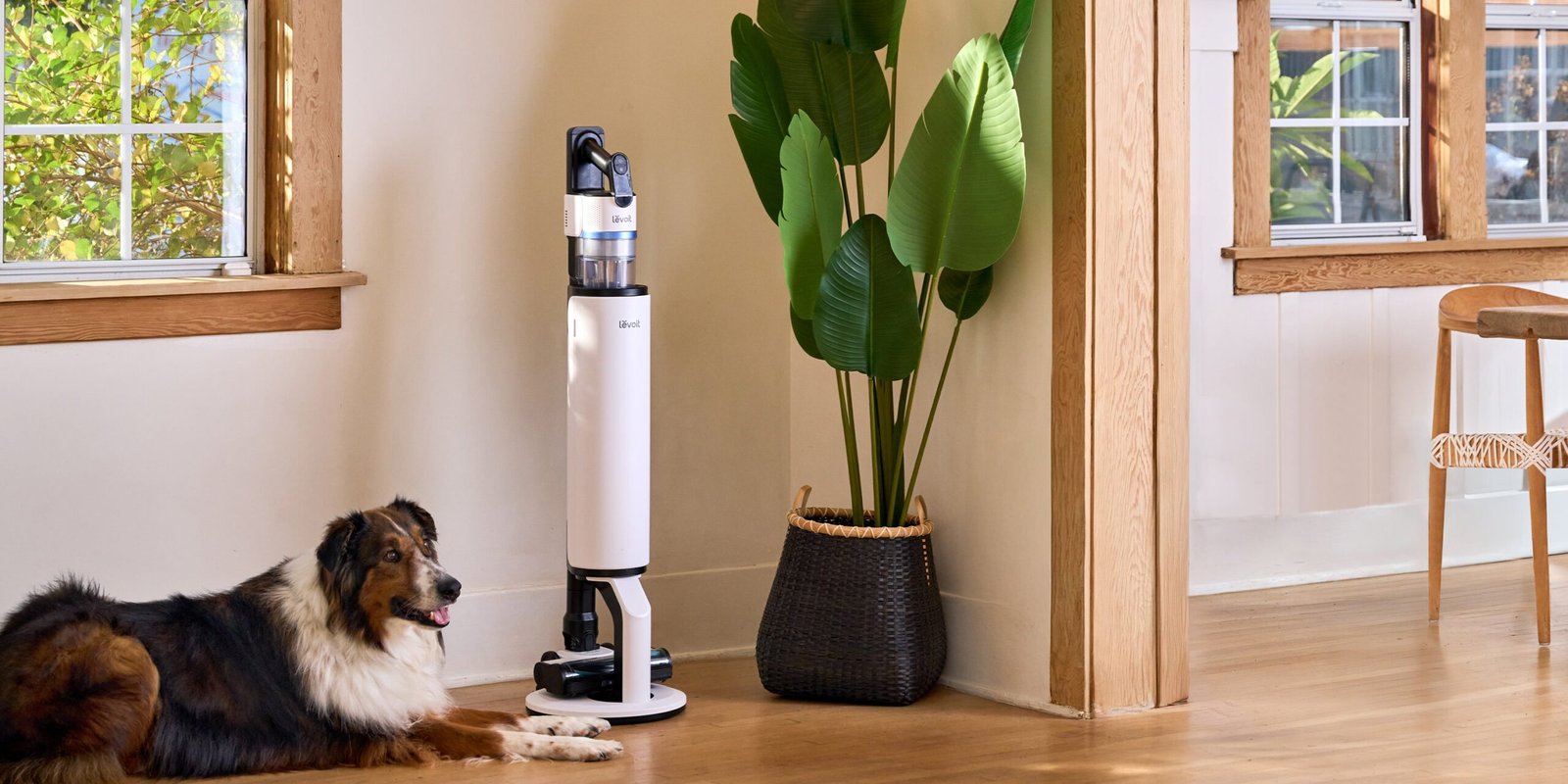
The cheapest useful allergy move is not a bigger machine in the hall; it is an adequate machine in the bedroom, behind a closed door. That is the Core 300-P’s whole case. Levoit markets coverage up to 1,073 sq ft, but that is the one-change-an-hour figure; honestly sized, it is a one-room machine — AHAM Verifide: smoke 143 / dust 153 / pollen 167 CFM. The filter menu is the quiet strength: alongside the standard cartridge sits a genuine Pet Allergy filter (Core 300-RF-PA, about $30) with extra carbon. There is no sensor and no auto mode; you pick a speed before bed and it runs.
Key facts
- Price band: list $99.99; street $85–100
- Coverage: up to 1,073 sq ft at one air change an hour (manufacturer marketing figure); a bedroom-class machine in practice
- Filtration: 3-in-1 cartridge (pre-filter, HEPA filter, activated carbon); optional Pet Allergy filter about $30
- Filter cost: standard filters about $28–35; replace every 6 to 8 months
- Controls: touch panel, timer, sleep mode at a claimed 24 dB; no app (the smart 300S sibling adds it)
Pros
- The cheapest credible way to put a purifier in the room where it matters most
- A pet-allergy filter option at a $30 price point, for mixed pet-and-allergy homes
Cons
- No sensor or auto mode; it cannot react when bedding gets changed or a window opens
- Honest sizing is one small room, whatever the box headline says
All 6 purifiers compared
| Purifier | CADR (as stated) | Room-size basis | Filtration | Filter cost | Price band |
|---|---|---|---|---|---|
| Levoit Vital 200S-P | Smoke 250 / dust 254 / pollen 289 CFM (AHAM) | About 390 sq ft (AHAM math) | Washable pre-filter, HEPA, carbon | $50 (pet version $60), 6–8 months | $150–190 |
| Coway Airmega Mighty | Smoke 233 / dust 246 / pollen 240 CFM (AHAM) | 361 sq ft (AHAM) | Pre-filter, carbon, True HEPA, ionizer (switchable) | About $50–70 a year | $160–230 |
| Winix 5500-2 | Smoke 232 / dust 243 / pollen 246 CFM (AHAM) | 360 sq ft (AHAM) | Washable pre-filter and pellet carbon, True HEPA | $50–80, about yearly | $150–250 |
| Medify MA-40 | 239 CFM on high (manufacturer) | 358.5 sq ft at 5 changes an hour (brand) | Pre-filter, True HEPA H13, carbon | About $69 a set, ~3,000 hours | $213–250 |
| Blueair Blue Pure 311i Max | 250 CFM, all three (AHAM) | 387 sq ft in about 12.5 min (brand) | HEPASilent, washable fabric pre-filter | $45, up to 9 months | $170–230 |
| Levoit Core 300-P | Smoke 143 / dust 153 / pollen 167 CFM (AHAM) | Up to 1,073 sq ft at 1 change an hour (brand) | 3-in-1 cartridge | $28–35 (pet version $30), 6–8 months | $85–100 |
CADR figures are the manufacturers’ published numbers; AHAM marks the brands in the AHAM Verifide program. Medify publishes one combined figure by fan speed, not the AHAM three-number split, so its row is not interchangeable with the AHAM rows. Coverage bases differ, so the basis is printed next to every figure.
The pollen reality check
A purifier cleans the air in the room it runs in, with the door closed, and only the air that passes through it. Pollen does not respect that boundary politely: it rides in on hair, clothes and shoes, and a window opened for ten minutes on a high-count day refills the room. Owners in the allergy communities describe the working setup the same way: the machine runs in the bedroom, the door stays shut, outdoor clothes come off outside the room, and bedding gets a hot wash weekly through the season. Treated as one layer of that routine, a purifier earns its place; bought as a substitute for the routine, it disappoints. If dander is half the problem because a pet shares the home, our air purifiers for pets guide ranks the same machines by hair handling, which reorders the list.
What an air purifier will not fix
It will not fix an allergy. No machine here treats, prevents or cures allergies or asthma, and none is a reason to change medication; those decisions belong with your clinician. What owners consistently report is narrower: less airborne dust and dander in the room the machine serves, and easier mornings in pollen season when the bedroom door stayed shut. Source control does the heavy lifting the filter cannot: mattress and pillow encasements, weekly hot washing of bedding, a vacuum with a sealed HEPA system, and windows closed on high-count days. The purifier’s job is the air in between.
How we picked these air purifiers
First, we read the owner communities: the Coway Mighty, the Winix 5500-2 and the Levoit Vital recur in allergy discussions on r/AirPurifiers year after year, and the Core 300 is that community’s default small-room answer. Second, we filled the remaining slots with strong sellers the big lists skip: the Medify MA-40, a heavy seller on allergy positioning, and the Blueair 311i Max for the overnight-noise slot. Third, every candidate had to publish its CADR somewhere checkable, maker-stated or AHAM, and use a genuine HEPA-class filter; “HEPA-type” machines were cut. Every pick was also checked against active CPSC recalls; none of the six is under one as of October 2026.
FAQs
Do I need a True HEPA filter for allergies, or is “HEPA-type” enough?
Take the rated filter. By the HEPA standard definition, a True HEPA filter traps 99.97% of particles at 0.3 microns, the size filters find hardest to catch, and most common allergens, pollen, dander and dust mite debris, are larger than that. “HEPA-type” and “HEPA-style” are marketing terms with no standard behind them. Every pick here uses a rated HEPA-class filter or publishes AHAM-verified CADR figures, and most do both.
What CADR do I need for a bedroom?
Work from smoke CADR and multiply by 1.55: that is roughly the room size in square feet the machine can serve at several air changes an hour, the AHAM basis. A 250 CFM smoke CADR honestly covers about 390 sq ft. Then size up rather than down: an oversized machine idling at medium is quieter overnight than a small one straining at high, and filters load over their life.
Where should I run the purifier if I have allergies?
The bedroom first, because that is where you breathe for seven to nine hours with the door closed. Place it a few feet from the bed with the intake unobstructed, not wedged behind furniture, and let auto mode or a steady medium speed run through the night. A second machine for the living room comes later; one right-sized machine in the bedroom beats one large machine in the hall.
Should I worry about the ionizer stages on some of these picks?
Three picks use one: the Winix’s PlasmaWave, the Coway’s Vital Ion, and Blueair’s HEPASilent, which is built into how its filter works. The Winix and Coway stages switch off entirely, and all three brands certify their machines for ozone safety, including California’s CARB limits. Owners who are sensitive to ozone, or who prefer not to think about it, have purely mechanical picks on this list, the two Levoits and the Medify, and lose nothing on allergen capture.
Can an air purifier replace allergy medication?
No. A purifier reduces the airborne allergen load in the room it runs in; it does not treat the allergy itself, and nothing on this page is medical advice. Owners report comfort improvements, easier mornings, less dust settling, and those reports are why these machines sell. Whether to start, stop or change medication is a conversation for your clinician.
2 thoughts on “Best Air Purifiers for Allergies in 2026: True-HEPA Picks for Pollen, Dust and Dander”